
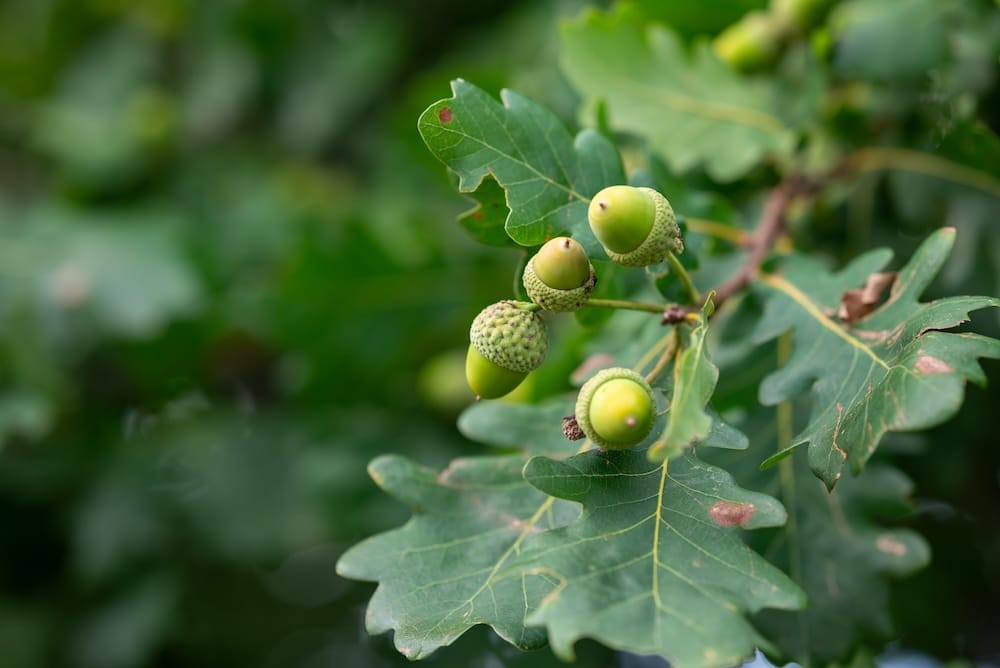
With a wide variety of native trees, North Texas is known for its natural beauty and scenic neighborhoods, making it an ideal place to call home. Unfortunately though, these same trees may trigger seasonal symptoms, such as oak pollen allergies. If you’re one of the countless residents affected, knowing which trees are responsible for causing reactions is a crucial step in managing your symptoms.
Common Sources of Tree Allergies in North Texas
Exposure to tree allergies in North Texas can vary widely, depending on the season and the surrounding landscape. While all trees release pollen, certain varieties are more likely to trigger allergic reactions. Being aware of the most common sources of tree allergies in the region can make it easier to plan ahead and take the necessary precautions to reduce exposure.
Oak
Of all the species of trees in North Texas, oak is one of the most abundant—and they’re also one of the most common sources of allergies, especially in the spring. Since oak pollen is so lightweight, it’s easily dispersed in the wind and can affect large areas. Symptoms associated with oak tree allergies include sneezing, congestion and itchy, watery eyes. Limiting the amount of time you spend outside and keeping windows closed during peak pollen times can help reduce exposure.
Cedar
The cedar tree is one of the leading causes of winter allergies in North Texas. These trees release their pollen in the winter, triggering what locals often call “cedar fever.” Like other species of trees, the symptoms associated with cedar allergies include itchy eyes, congestion and sneezing. If you experience similar symptoms in the winter, seasonal allergy testing can help determine whether cedar trees or other allergens are the cause.
Pecan
Texas is famous for its pecan trees. Unfortunately, pecan trees are also known to cause allergic reactions. Pecan trees release their pollen in the spring, so if you suffer from a stuffy nose, sneezing and watery eyes at this time of year, there’s a chance that a pecan tree allergy could be to blame. Being aware of peak pollen times and avoiding wooded areas (and pecan farms) where pecan pollen is more concentrated can help limit exposure and symptoms.
Elm
Elm trees are another common source of tree allergies in North Texas. These trees produce pollen that can spark allergic reactions late in the spring season. Typical symptoms associated with elm tree allergies include nasal congestion, sneezing, and asthma that gets worse. Staying indoors at the height of elm pollen season can be helpful, but if you experience severe allergies, seeking professional elm allergy treatment is highly recommended.
Take Control of Your Tree Allergies Today
Tree allergies can make life uncomfortable in North Texas, but with the help of Dr. Mireku and the team at TexasAllergyMD, you can find the relief you’re seeking. We’ll identify the trees that are triggering your allergies and create a customized plan to help you manage your seasonal allergies. Schedule an appointment or visit our McKinney or Southlake office. Call (469) 375-1525 or request an appointment today.


