
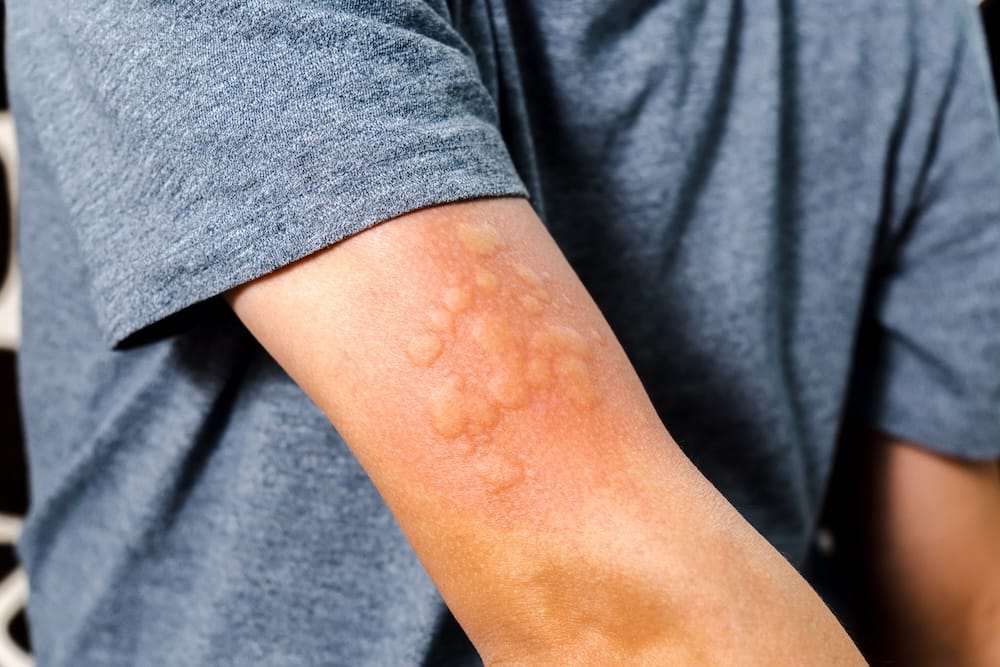
Hives can be uncomfortable, but they’re typically not a cause for concern. In some cases, however, they may be a sign of a more serious skin allergy that requires professional treatment. But how can you tell when you’re dealing with an underlying problem? Here’s a look at some of the warning signs that an outbreak of hives should be evaluated by an experienced skin allergist.
Signs Your Hives Indicate a Deeper Skin Allergy
If you’ve ever experienced raised, red, itchy welts that appear suddenly, you know how unpleasant hives can be. Hives are harmless for most people, but in some cases hives may signal that an underlying skin allergy is involved. Recognizing the warning signs can help you determine if you should seek medical intervention.
Persistent or Recurring Hives
Hives usually resolve within a few hours, but when they last more than 24 hours or keep coming back, it could be a sign of a more serious problem. Chronic hive outbreaks may result from an immune response or repeated exposure to an allergen. Symptoms that persist over an extended period of time should not be ignored. A skin allergist can perform a comprehensive assessment to identify the root cause.
Severe Swelling and Other Concerning Symptoms
When hives are accompanied by severe swelling or other concerning symptoms, it’s essential to seek prompt medical care. For example, if your lips, face or throat swell in conjunction with an outbreak of hives it may indicate a more serious allergic reaction known as angioedema, which can affect breathing. Additional symptoms such as dizziness, nausea or difficulty swallowing should never be ignored. These red flags may indicate a systemic allergic response rather than just a simple skin reaction.
Hives Associated With Unknown or Multiple Triggers
When hives appear without a clear cause, or it seems as if several factors may have triggered the reaction, it’s time for a professional assessment. Foods, medications, environmental allergens and even stress are just some of the triggers that can contribute to hives outbreaks. A skin allergy specialist will perform a detailed assessment to diagnose the root cause of the reaction, then develop a personalized treatment plan to help you manage and prevent future reactions.
Rapidly Spreading or Changing Hives
Sudden outbreaks of hives that spread quickly across the body may be the warning sign of a more serious allergic reaction. Welts that get larger, change shape or color, or appear to merge may suggest an aggressive immune system response. An allergist that specializes in comprehensive skin allergy care will ensure you receive an accurate diagnosis and will provide a targeted treatment plan.
Take Control of Your Hives and Skin Allergies in North Texas
If you’re suffering from recurring hives or unexplained skin reactions, it’s time to seek professional care. At TexasAllergyMD, our allergist specializes in skin allergies and provides personalized care that will get to the root cause of your condition. Call (469) 375-1525 or request an appointment today.


