
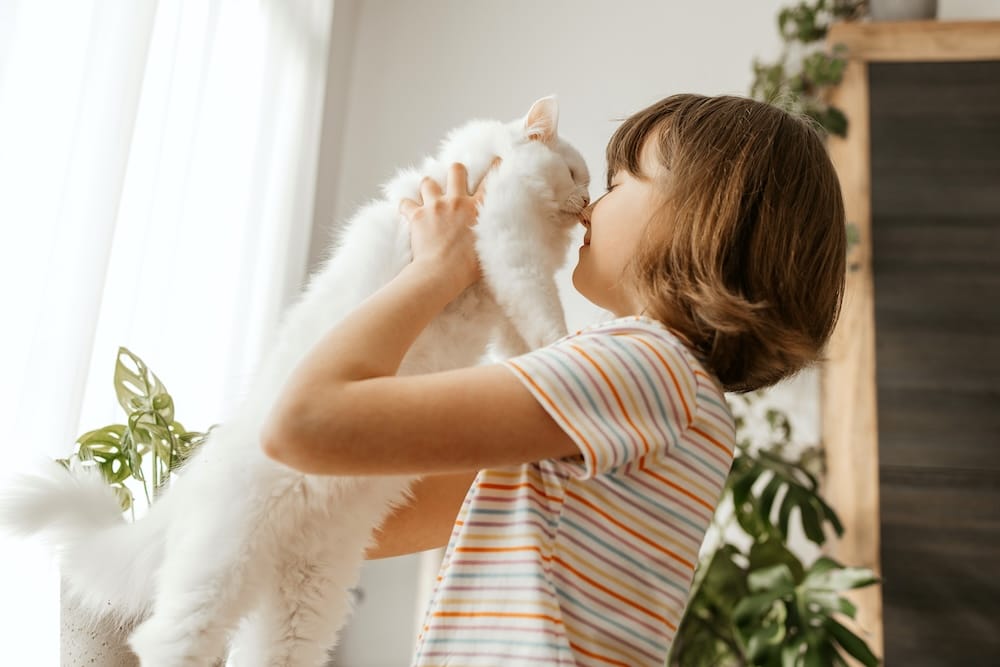
From dogs and cats to bunnies and hamsters, pets play an important role in the lives of so many children. However, because furry family members can sometimes trigger allergic reactions, it’s important for parents to understand pet allergies in children. If you suspect your child is dealing with pet allergies, this guide highlights some vital information that all parents should know.
A Parent’s Guide to Pet Allergies in Children
If your child develops itchy, watery eyes, sneezing, congestion and even irritated skin every time Fluffy or Fido is around, chances are that an underlying allergy is to blame. Pet allergies in children are common, and it’s important for parents to be aware of the signs and know how to manage the discomfort.
Common Signs of Pet Allergies in Children
Many parents mistake pet allergies for common colds, as the symptoms can be very similar. After being exposed to animals children may experience sneezing, nasal congestion, a runny nose, coughing, itchy or watery eyes, even skin irritation. In severe cases, difficulty breathing or worsening asthma symptoms may occur. If your child experiences these reactions regularly around pets, an allergy could be the cause.
What Causes Pet Allergies
Typically, pet allergies are triggered by certain proteins that animals produce. Commonly found in pet dander, saliva and urine, these allergens become airborne and settle on surfaces such as upholstery, clothing and carpets. Because they can linger in the environment for long periods of time, allergy symptoms can occur even when your child hasn’t had direct contact with a pet.
The Importance of Early Detection
Detecting pet allergies early can improve your child’s overall health and well-being. If your child consistently experiences allergic reactions around animals, an experienced allergist that specializes in pet allergy testing can determine the exact triggers. The sooner the cause is confirmed, the sooner you can help your child manage the symptoms.
How to Reduce Exposure to Pet Allergy Triggers
If your child does have pet allergies, it doesn’t mean you have to part with your four-legged friend. There are several things you can do to effectively limit your child’s exposure to allergens. Frequent cleaning, using HEPA-filter vacuums and restricting pet access to certain areas (your child’s bedroom, for example) can make a big difference. Additionally, bathing pets regularly and improving ventilation can also help reduce symptoms. These simple practices can help improve the comfort of children who have mild pet allergies.
Treatment Options for Children With Pet Allergies
When lifestyle adjustments aren’t enough, medical care may be necessary to relieve the symptoms. An allergist can recommend medications, long-term management strategies, as well as a customized care plan designed to meet your child’s specific needs. There are several advanced allergy treatment options that can help reduce reactions caused by pet allergies. With effective treatment, children can continue enjoying their pets in comfort.
Expert Pet Allergy Care for Children in North Texas
At TexasAllergyMD, we offer testing and treatment options for children who are allergic to pets. Dr. Mireku will conduct a comprehensive evaluation and create a personalized treatment plan to help your child manage their pet allergies. Call (469) 375-1525 or request an appointment.


